
Bizzdesign Unify: An AI-native platform for faster, better transformation decisions.
Bizzdesign enters top 20 of UK public sector Tech200
Date
Image
Image

Product Categories
Industry Category
Language
Resource Category
Resource URL
https://itbrief.co.uk/story/bizzdesign-enters-top-20-of-uk-public-sector-tech200
AI Everything - Abu Dhabi
AI Everything - Abu Dhabi
Bizzdesign Debuts in Tech200 Following 392% UK Public Sector Revenue Growth
Bizzdesign Debuts in Tech200 Following 392% UK Public Sector Revenue Growth
February 19, 2026
Enterprise transformation SaaS company enters Top 20 of Tussell’s independent ranking of the fastest-growing UK public sector technology suppliers
About Bizzdesign
Bizzdesign is a global enterprise transformation SaaS company, offering an end-to-end suite spanning Enterprise Architecture, Strategic Portfolio Management, Governance, Risk & Compliance, and Transformation Collaboration. Through a data-driven and AI-powered approach, Bizzdesign accelerates transformation from vision to value by enabling teams to plan, design and govern change collaboratively.
FAQs
The Tech200 is an annual ranking of the 200 fastest-growing technology suppliers to the UK public sector. It is published jointly by Tussell, UK’s technology trade association techUK, and The Data City, a provider of sector and industrial classification data. The ranking identifies companies that have demonstrated the highest percentage growth in direct UK public sector revenue over the two most recent full fiscal years.
The Tech200 is based on objective procurement data and is independent of sponsorship. A company’s placement on the list is determined solely by its objectively measured growth in direct UK public sector revenue, sourced from publicly available procurement data.
The Tech200 is calculated using Tussell’s market intelligence platform, supplemented by The Data City’s Real-Time Industrial Classifications (RTICs) and Real-Time SIC (RSIC) system. Companies are ranked based on percentage growth in direct public sector revenue between the last two full fiscal periods (FY23/24 and FY24/25), using publicly available procurement invoice data. Only companies with at least £250,000 in direct public sector revenue in FY23/24 are eligible for inclusion.
Company classifications and headquarters locations are determined through a combination of data analysis and manual verification. Rankings are assessed at the parent-company level, grouping subsidiaries under their ultimate ownership where applicable.
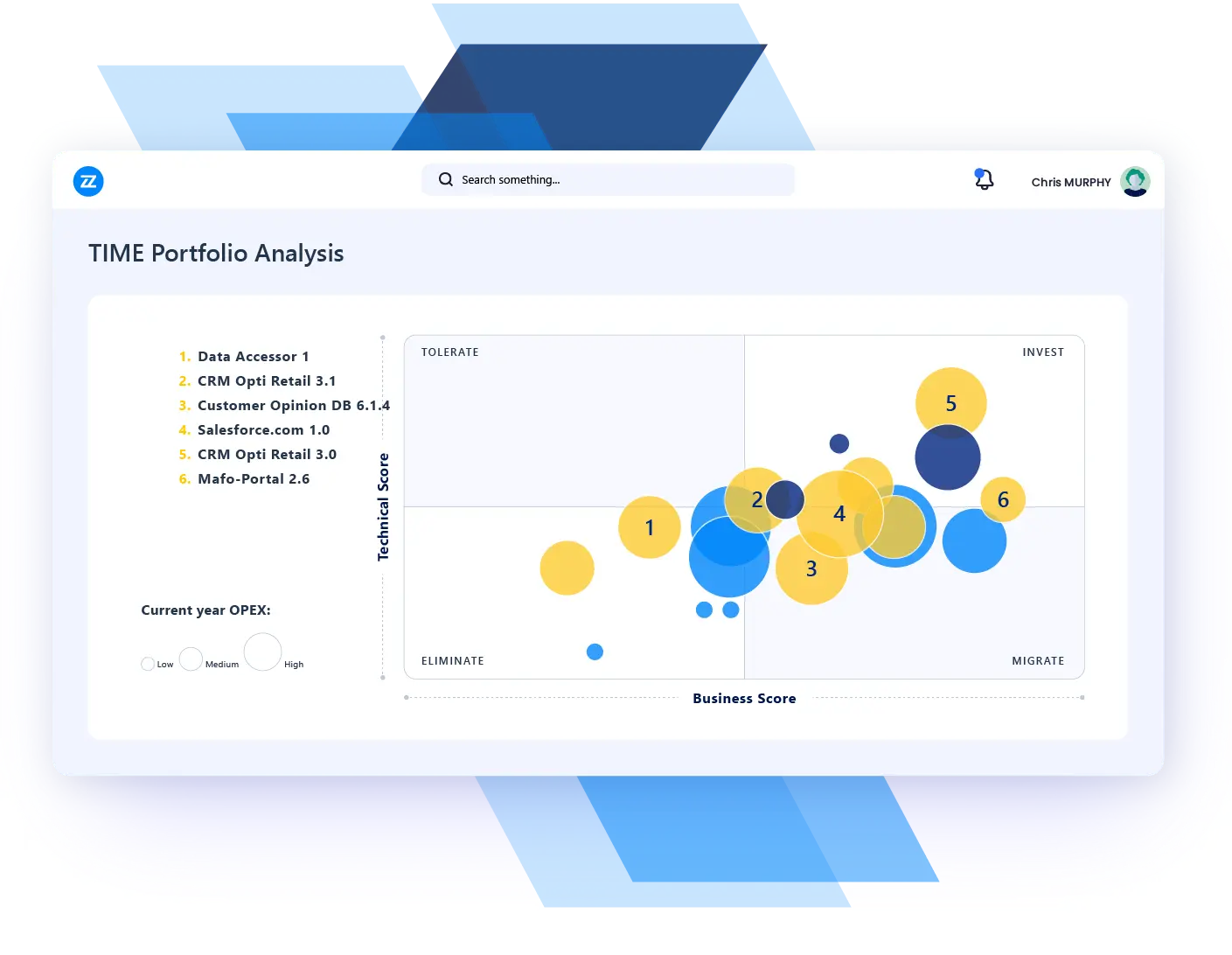
Application Portfolio Management (APM) is the practice of governing the applications used in an organization. It is an essential strategic planning capability of an IT organization, ensuring that investments in the application landscape are in line with business strategy and that investments are made in a way that minimizes cost and risk, while at the same time delivering the required functionality and flexibility to fulfill business goals.
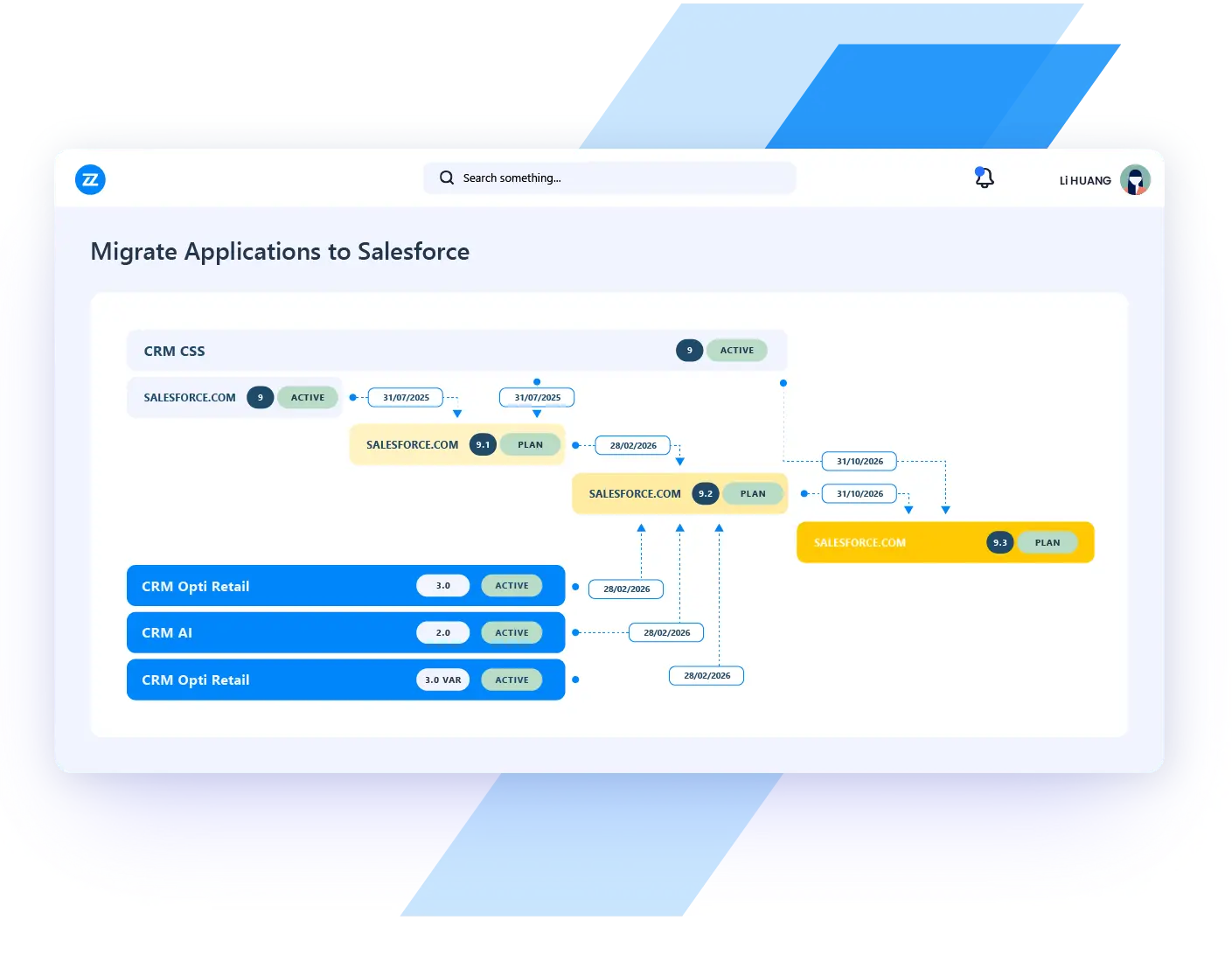
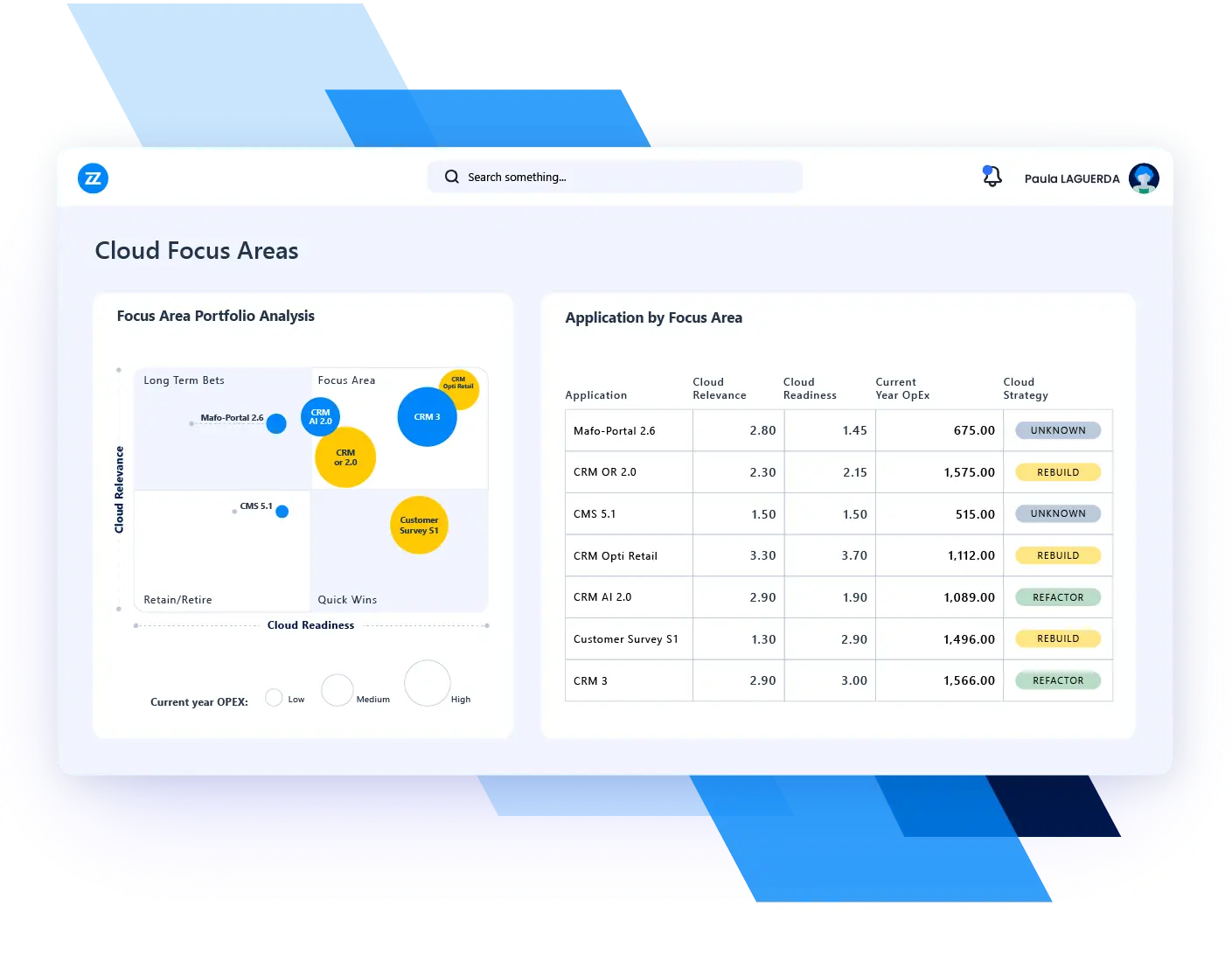
APM makes visible how applications map to business capabilities, where functional duplication drives unnecessary cost, which technical debt poses the greatest risk, and which dependencies must be managed before change can proceed safely. This visibility allows leaders to prioritize rationalization and modernization based on portfolio-wide impact rather than isolated business cases, helps teams identify consolidation opportunities during mergers or divestitures, and provides the foundation for cloud migration strategies that balance ROI against risk. When application strategy connects to the wider ecosystem of business capabilities, processes, data, and technology, organizations can plan, design, and govern change with confidence.
Application rationalization is the process of evaluating an organization's application portfolio to identify which systems to keep, retire, consolidate, or invest in based on business value, technical health, cost, and strategic fit. Most organizations carry significant application redundancy, overlapping functionality accumulated through growth, mergers, or decentralized decisions; the challenge is determining which applications genuinely enable business capabilities and which simply add cost and complexity.
Application rationalization matters for IT cost reduction because it helps organizations eliminate redundant or low-value applications while protecting systems that support business strategy and transformation initiatives. It targets the root causes of portfolio bloat: functional duplication that drives unnecessary licensing and maintenance costs, technical debt that increases support burden, and misaligned investments in applications that no longer serve strategic priorities. Structured application rationalization programs can deliver cost reductions of 20 to 30 percent when decisions are made with full visibility into dependencies and strategic priorities, while creating a simpler, more agile application landscape that accelerates future change.
Technology Portfolio Management (TPM) focuses on governing infrastructure platforms, technology standards, and architectural components across the enterprise. Most organizations have accumulated technology through years of vendor relationships, tactical purchases, and evolving business needs; the challenge is understanding which technologies remain viable, which create risk through obsolescence or non-compliance, and which drive unnecessary complexity and cost.
TPM helps organizations manage risk, control costs, reduce infrastructure complexity, and align technology decisions with strategic and regulatory requirements. It makes visible where technical debt has accumulated, which technologies no longer align with established standards, which vendor contracts create optimization opportunities through SLA gaps or overlaps, and which dependencies will constrain modernization initiatives. By maintaining visibility across technology assets and dependencies, TPM supports long-term modernization and resilience planning, enabling organizations to stay ahead of obsolescence, consolidate vendor relationships for stronger negotiation leverage, and focus investment on technologies that accelerate strategic goals.
Enterprise architecture management (EAM) creates a living, queryable model that connects business capabilities to the applications, data, technologies, processes, and organizational structures that enable them. Most organizations have accumulated layers of applications, data, and infrastructure over decades; the challenge is turning that landscape into coherent architecture that leaders and teams can actually use to make decisions.
A managed enterprise architecture makes visible how applications support business capabilities, how data flows across systems, where technical debt has accumulated, and which dependencies will constrain future change. This visibility allows leaders to assess impact before committing resources, helps teams identify reuse opportunities and avoid duplication, and provides a shared language for business and IT to collaborate on transformation decisions.
Business architecture management (BAM) creates a capability-based view of the enterprise that anchors transformation in how value is created and delivered. It shows which capabilities support strategic objectives, which constrain progress, and where targeted change will have the greatest impact.
This view becomes the foundation for prioritizing investments and sequencing initiatives based on capability gaps and overlaps rather than isolated business cases. When business and IT work from a shared frame of reference, collaboration improves and transformation stays connected to business outcomes rather than drifting toward technical outputs.
Business architecture and enterprise architecture are related but distinct disciplines. Business architecture focuses specifically on the business layer of the enterprise: business capabilities (what the business does), value streams (how value is delivered), organizational structure, business processes, and information concepts. It defines how the organization creates value and aligns with strategy, independent of technology.
Enterprise architecture provides a holistic view across multiple layers: business, application, data, and technology. It shows how business capabilities connect to the applications that enable them, how data flows across systems, and how technology infrastructure supports operations. Business architecture is a component of enterprise architecture (the business layer) but EA extends beyond it to include IT architecture and the relationships between business and technology.
In practice, business architecture answers "what does the business do and why?" while enterprise architecture answers "how does technology enable the business, and how do we manage that complexity?" Together, they ensure transformation aligns business strategy with IT execution.
Bizzdesign has received independent recognition from leading industry analyst firms including Gartner and Forrester, being named a Leader in the enterprise architecture space in The Forrester Wave™: Enterprise Architecture Management Suites, Q4 2024 and a Leader in the 2025 Gartner® Magic Quadrant™ for Enterprise Architecture Tools, marking its 18th consecutive year in the Leaders quadrant. The company was also named a “2025 Company of the Year” by the Business Intelligence Group. These recognitions reflect over two decades of innovation in the enterprise architecture market. Bizzdesign continues to strengthen its offering through increased investment in product development, expanded global reach, and AI-driven innovation, helping organizations bridge the strategy-to-execution gap with greater speed and confidence.
5 Steps to Confidently Quantify Initiative Benefits
5 Steps to Confidently Quantify Initiative Benefits
Gartner® Research
A 5-step methodology to help you defend your investment decisions with evidence.
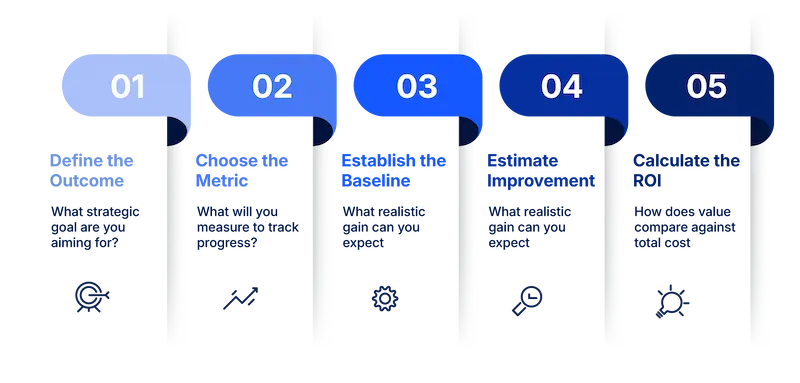
Benefit Quantification Is Now a Core Portfolio Capability
Under rising cost pressure and increased scrutiny, portfolio leaders must show clear, validated impact before capital is allocated. Inconsistent calculations and disconnected business cases make that difficult.
This research outlines a practical framework to structure outcomes, establish baselines, estimate improvement, and calculate ROI so funding decisions are grounded in measurable impact.
Gartner®, 5 Steps to Confidently Quantify Initiative Benefits, By Cynthia Phillips, Jennifer Jackson, 24 November 2025. Gartner is a trademark of Gartner, Inc. and/or its affiliates.

See How Leading Organizations Connect Benefit Quantification to Portfolio Decisions
Strategic portfolio management connects quantified benefits to prioritization, resource allocation, and portfolio trade-offs.
Application Portfolio Management
Application Portfolio Management
Application Overload? Stay In Control
With Application Portfolio Management
Put Business Value at the Center of Portfolio Decisions
As your business grows, your application portfolio can balloon in size and complexity –– driving up costs, creating redundancy, and increasing risk. Application Portfolio Management helps you simplify, reduce risk, and innovate smarter by focusing on business value.
Cut Complexity. Drive Innovation.
- Reduce IT costs through rationalized functional redundancy.
- Improve business agility with a simpler, streamlined application landscape.
- Reduce risk through improved technical health and clear portfolio insights.




Cut Complexity. Maximize Business Value.
Rationalize your applications, reduce costs, and create a streamlined portfolio that accelerates change.
Reducing IT Spend in 2026 Through Smarter Application Rationalization: Why Cost Decisions Fail Without Portfolio Context
Reducing IT Spend in 2026 Through Smarter Application Rationalization: Why Cost Decisions Fail Without Portfolio Context




Cut Complexity. Maximize Business Value.
Rationalize your applications, reduce costs, and create a streamlined portfolio that accelerates change.


